
SCALING CLIMATE AND DEVELOPMENT SOLUTIONS ACROSS AFRICA
Impact Carbon develops high-integrity carbon programs across Africa, spanning energy-efficient cooking and carbon project development supporting one of the world's largest school-based safe water programs.
SCALING
ENERGY-EFFICIENT
COOKING THROUGH
CLIMATE FINANCE
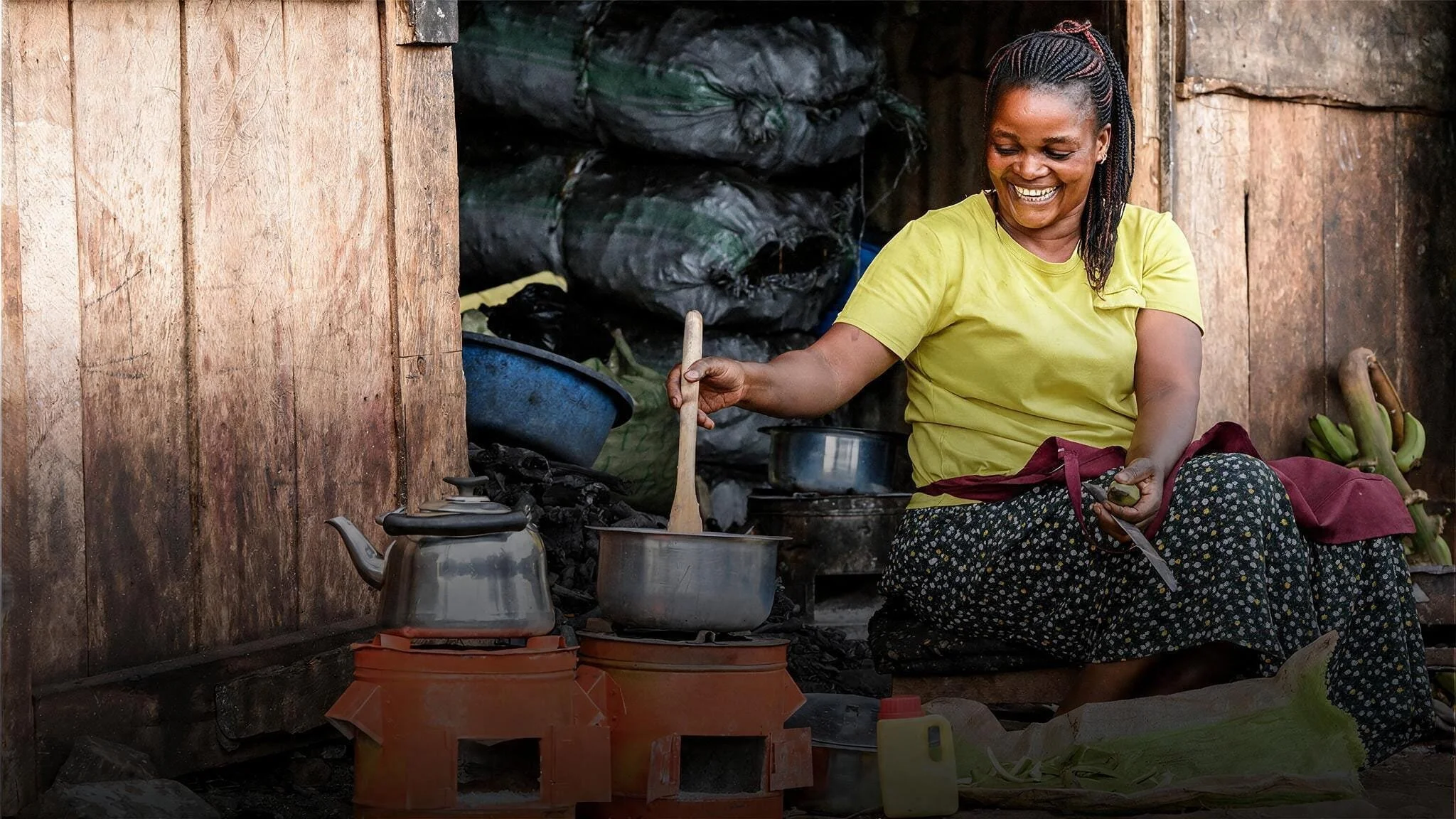
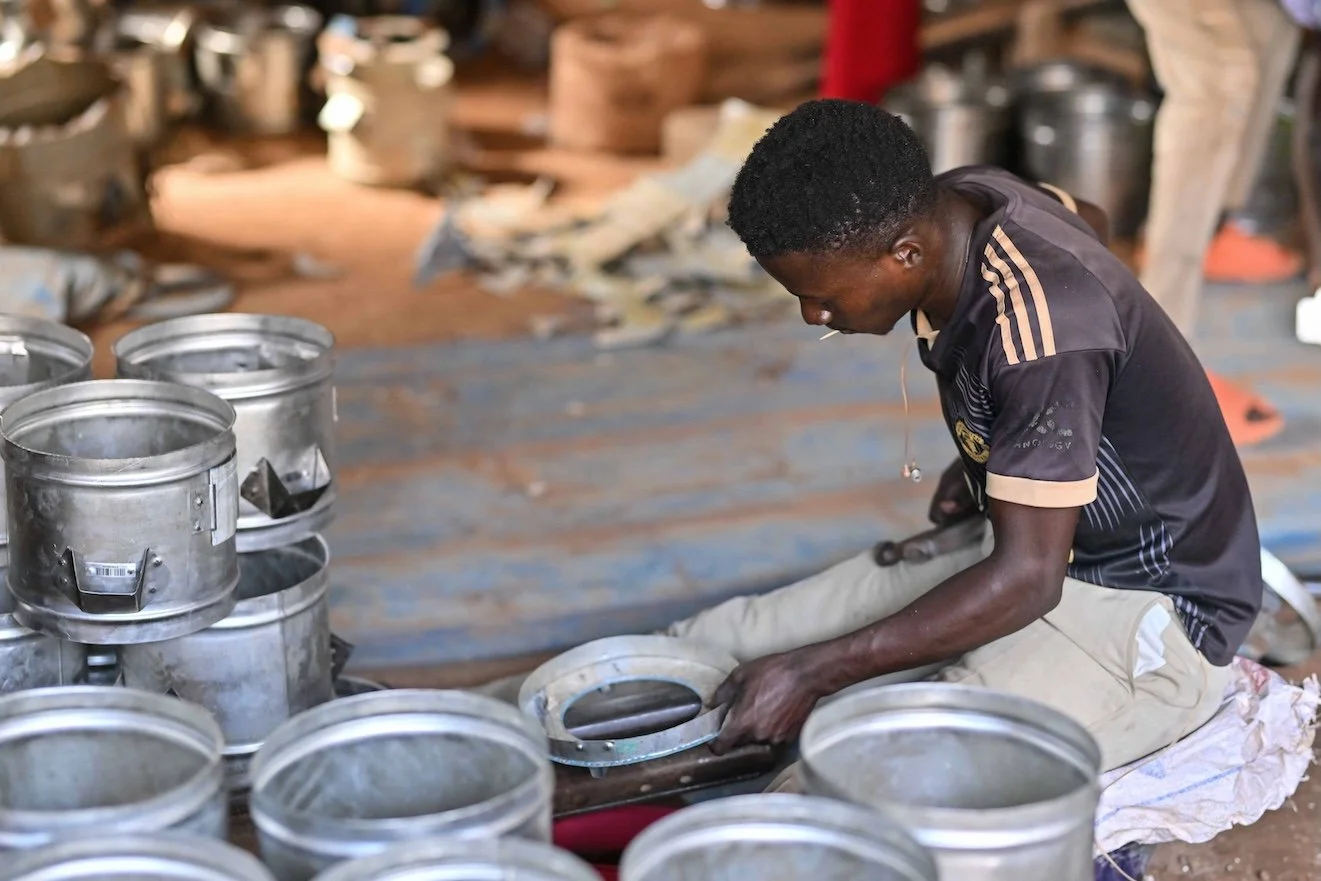
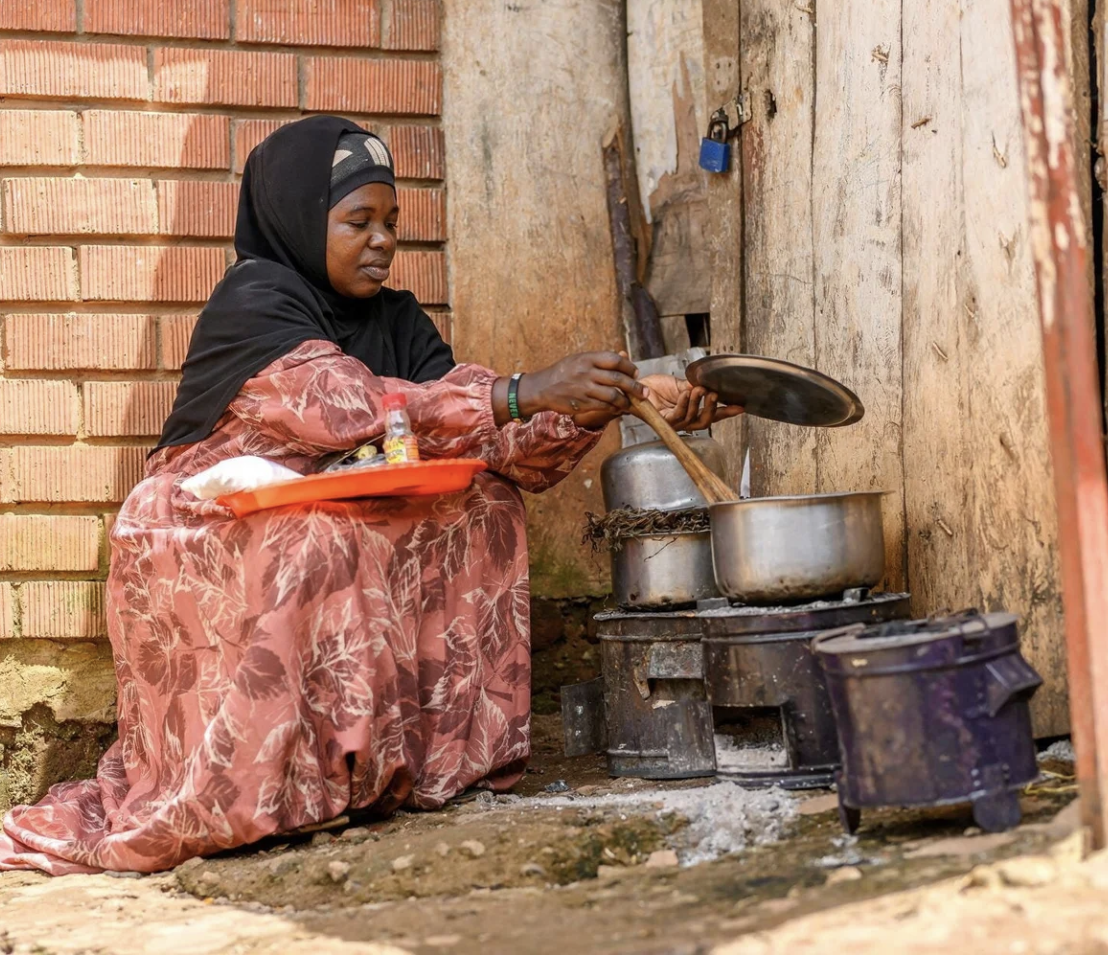
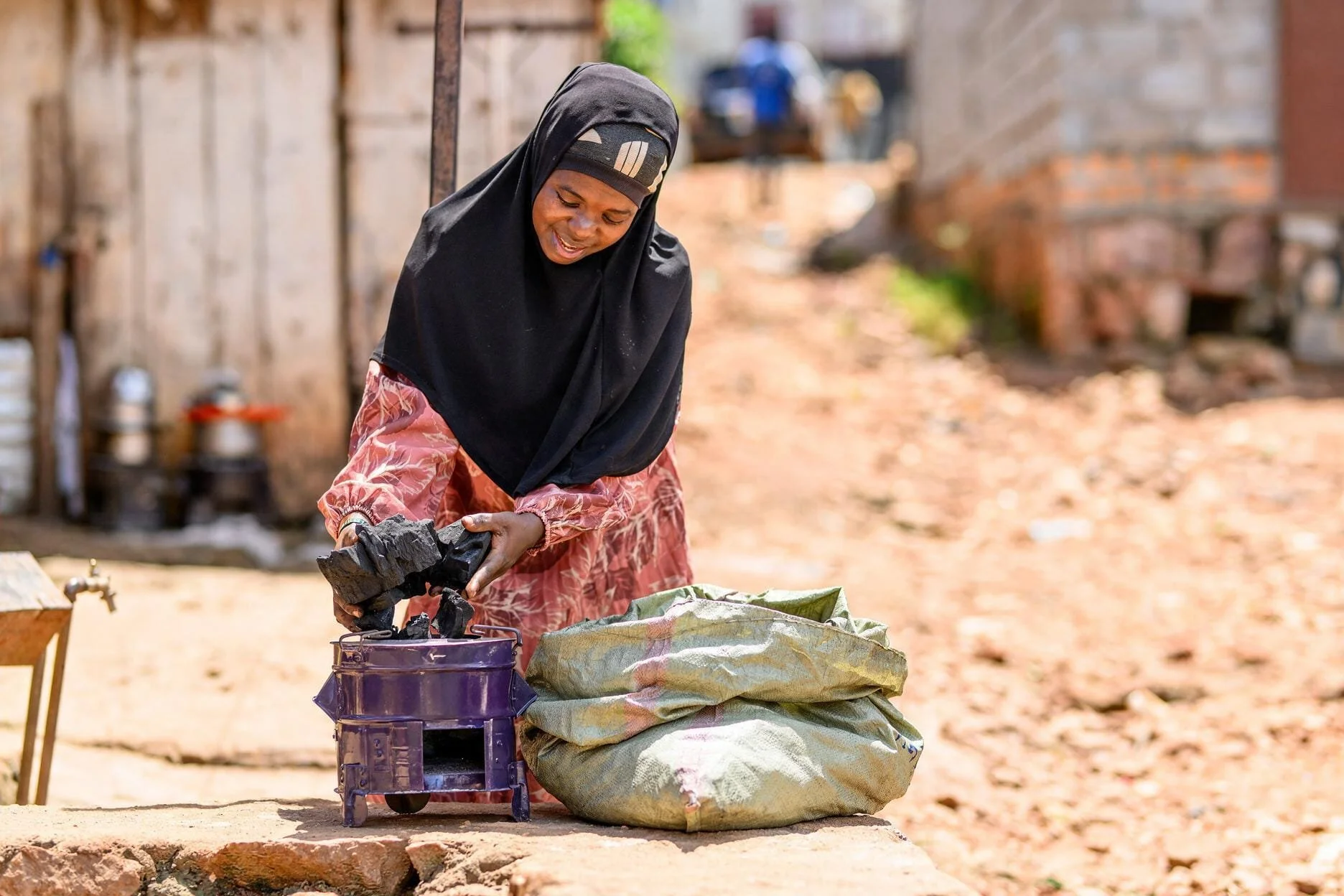
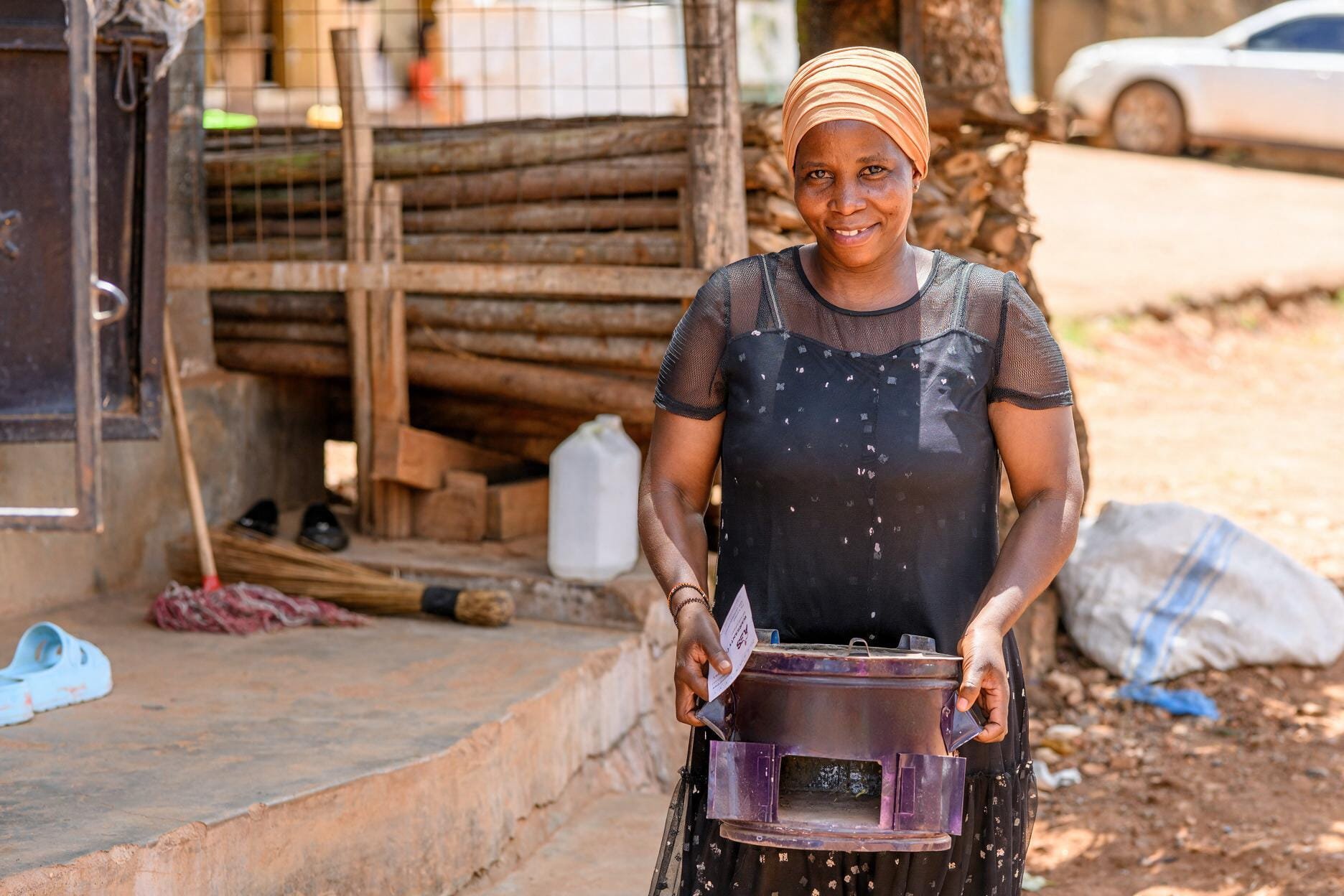
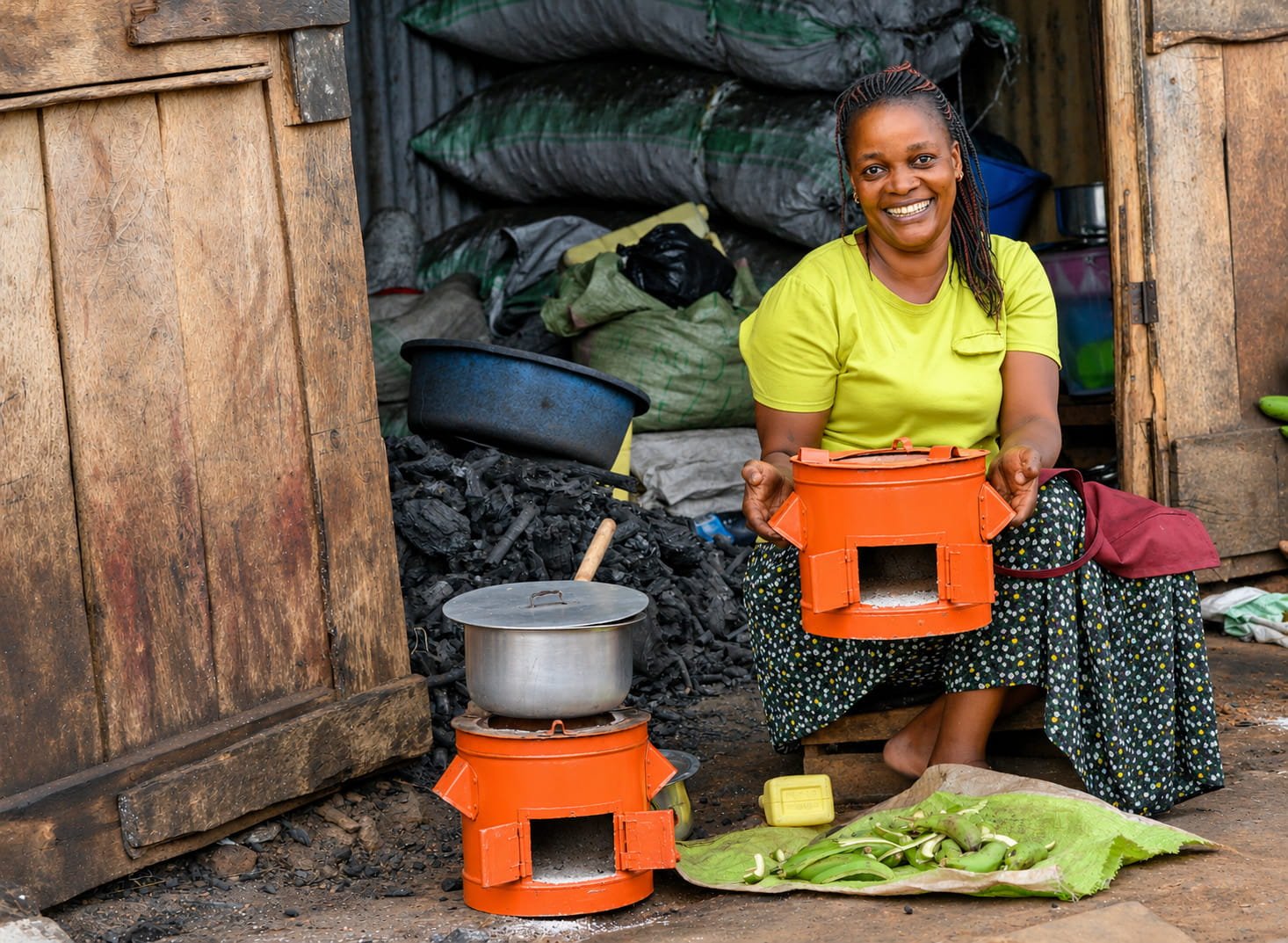
Our projects use climate finance to build and scale local improved stove markets. By linking carbon markets with local manufacturing and distribution, we help entire markets transition to energy-efficient cooking technologies at scale.
CLIMATE FINANCE ENABLES US TO:

Reduce the upfront cost of cookstoves for households

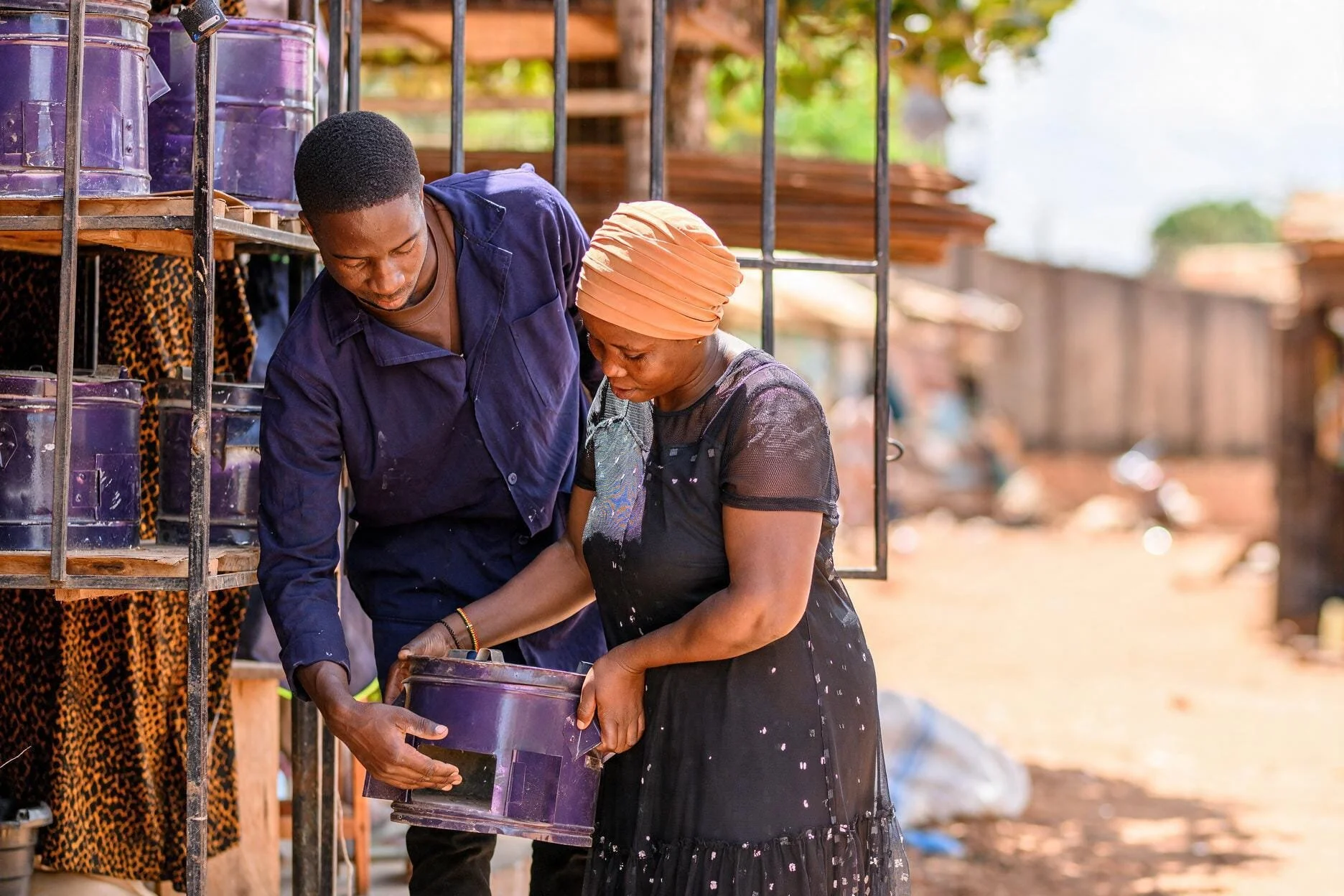
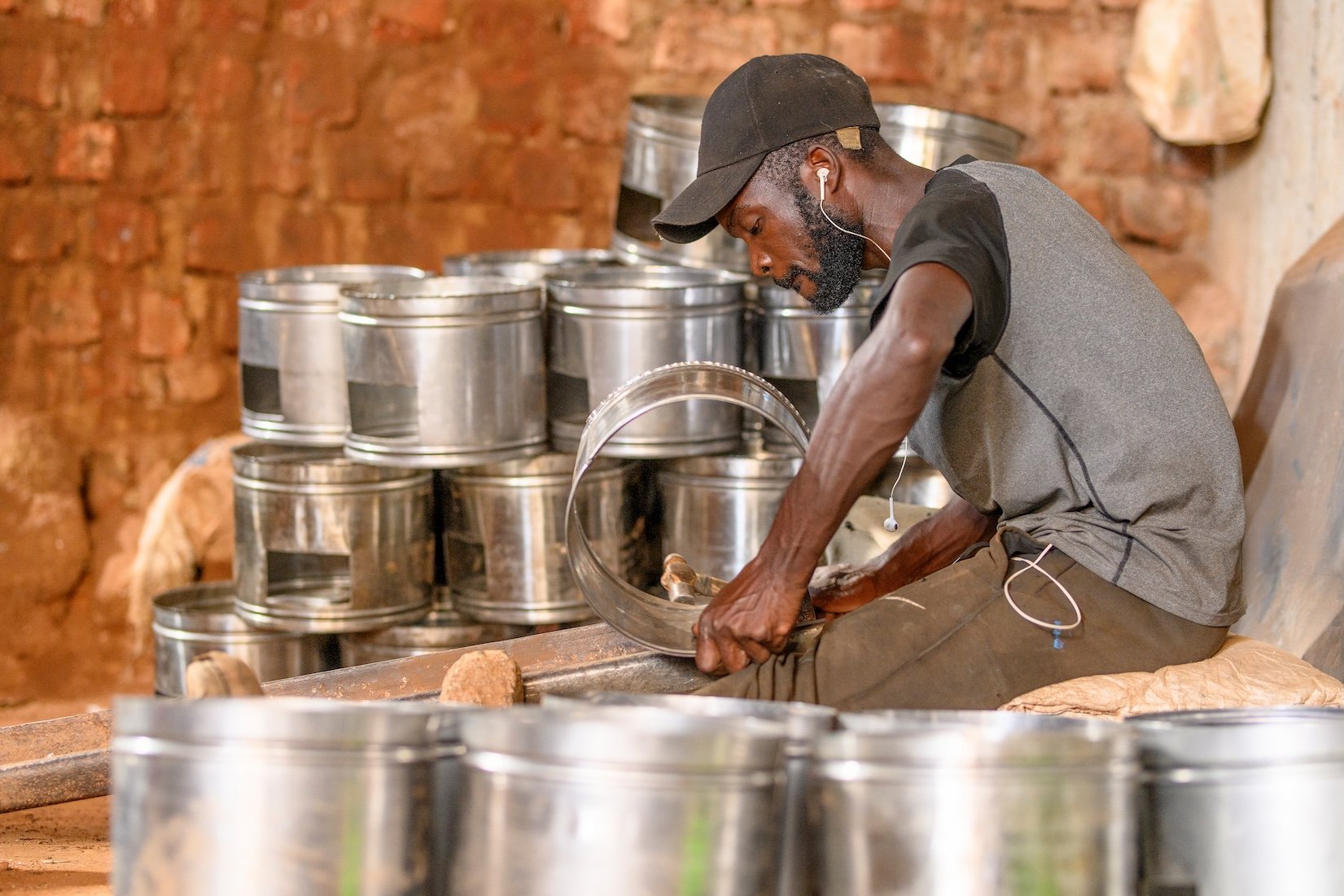
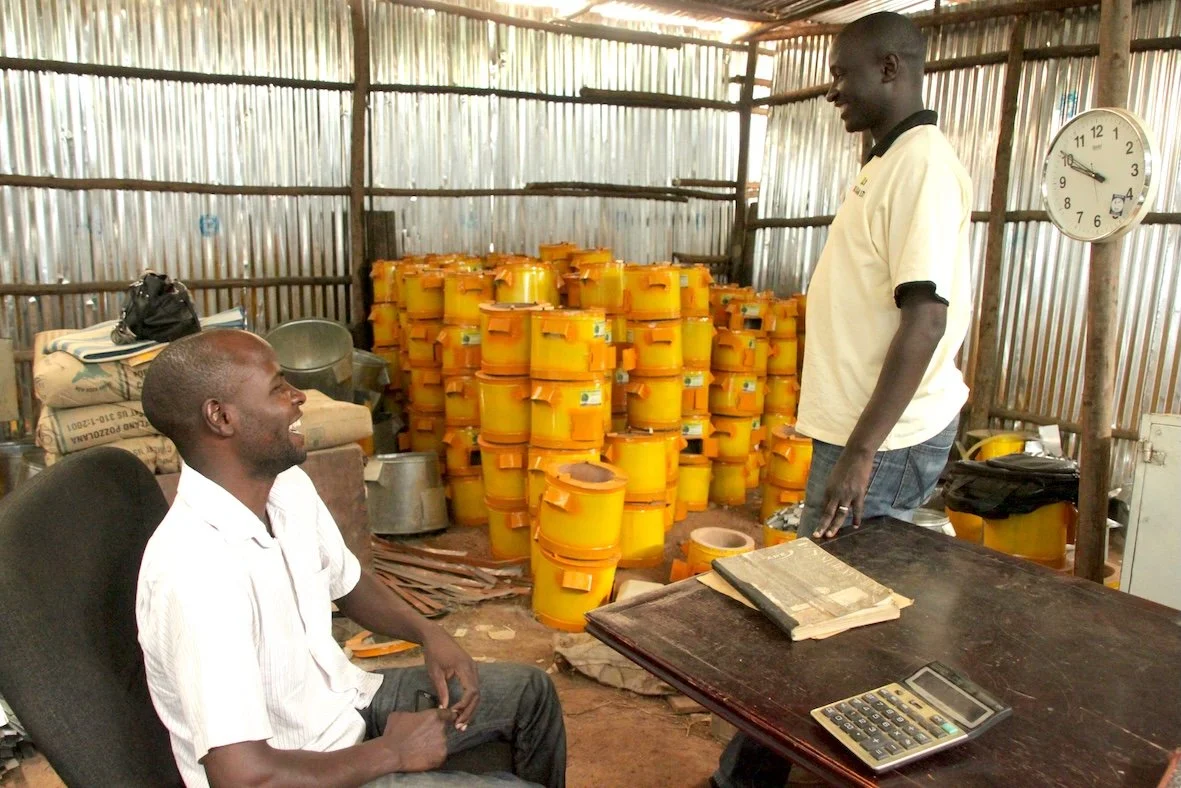
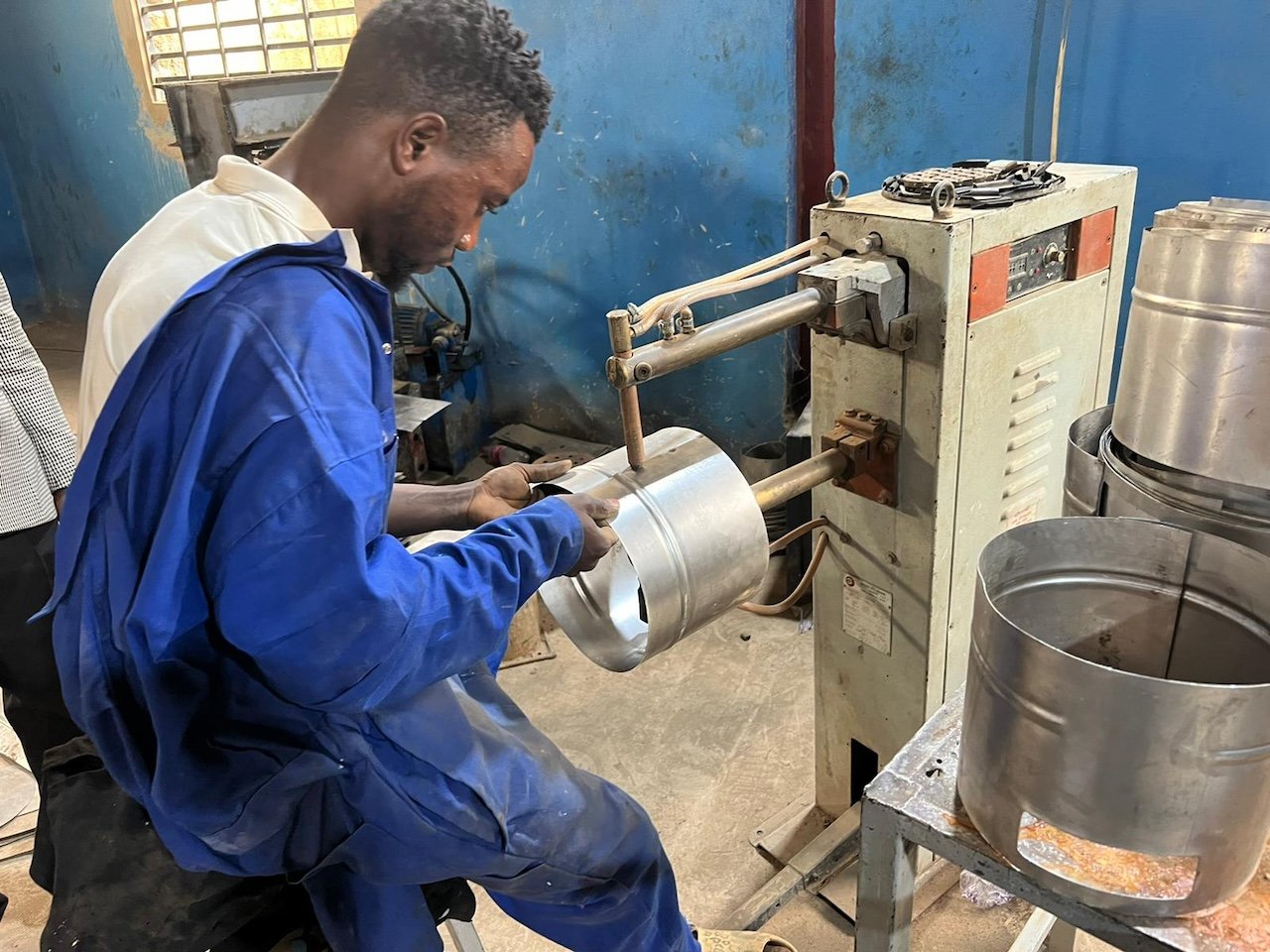
Strengthen local manufacturing and distribution networks
Scale access rapidly across entire markets
IMPACT IN NUMBERS
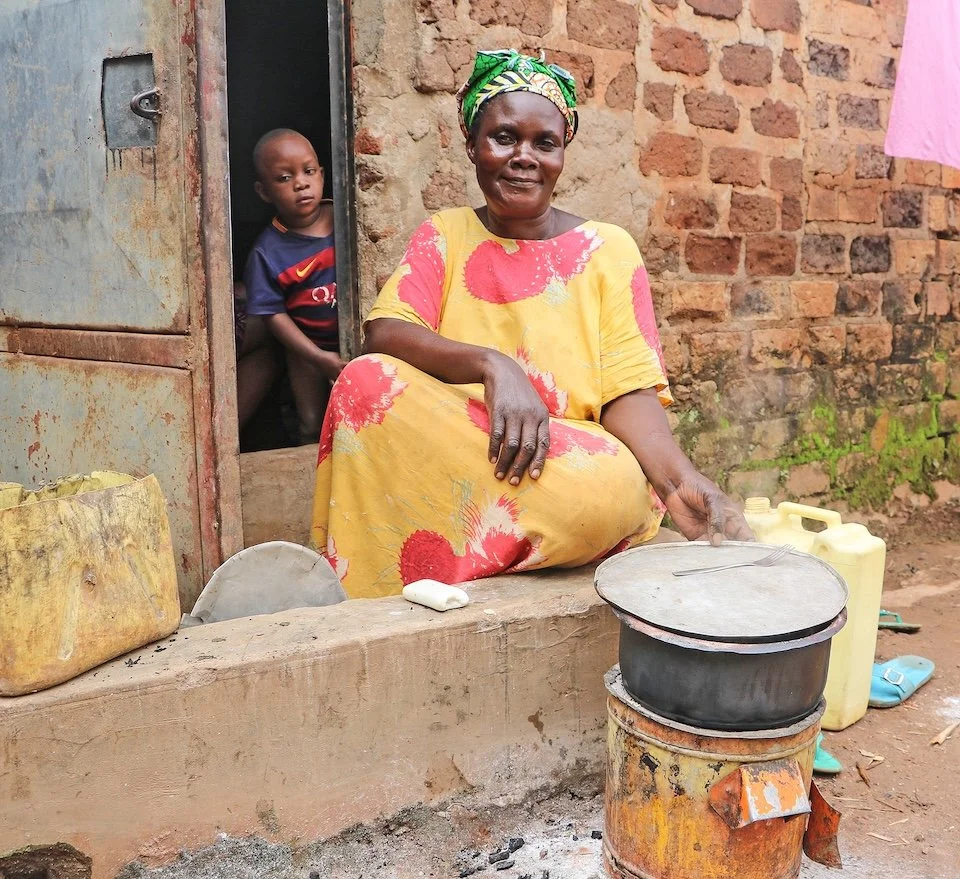
Nearly 20 years of operations and over 1.2 million cookstoves distributed make Impact Carbon one of the largest and longest-running energy-efficient cookstove programs in Africa.
1.2 million+
cookstoves distributed

5.8 million+
people benefiting

$300 million+
in estimated household fuel savings

1-2 tCO₂e
carbon emissions reduced per stove per year
Up to 50%
less charcoal per stove

WHERE WE WORK
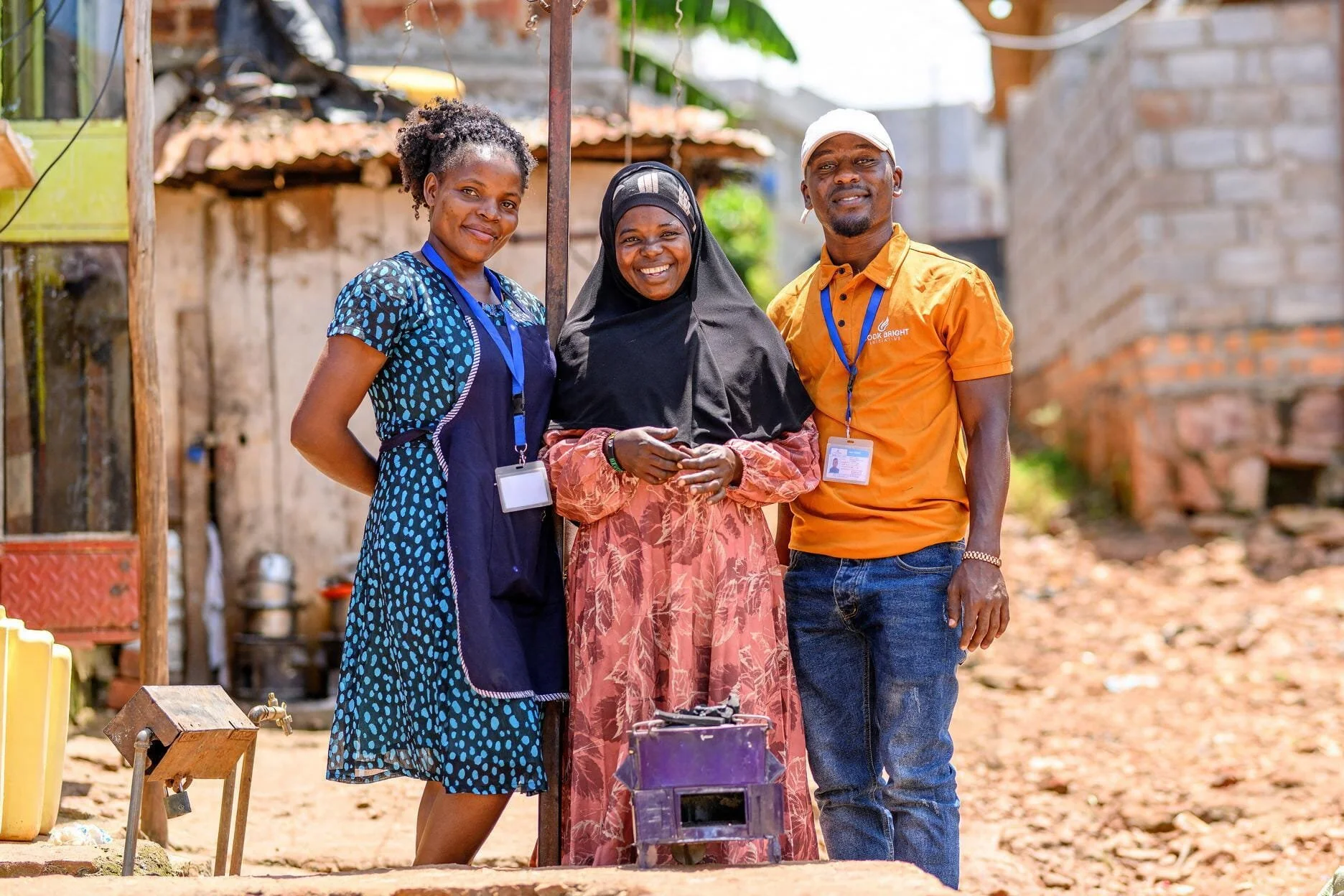
Our story began in Kampala, Uganda in 2007. Today we are expanding access across Nigeria, where around 70% of households still cook with wood or charcoal.
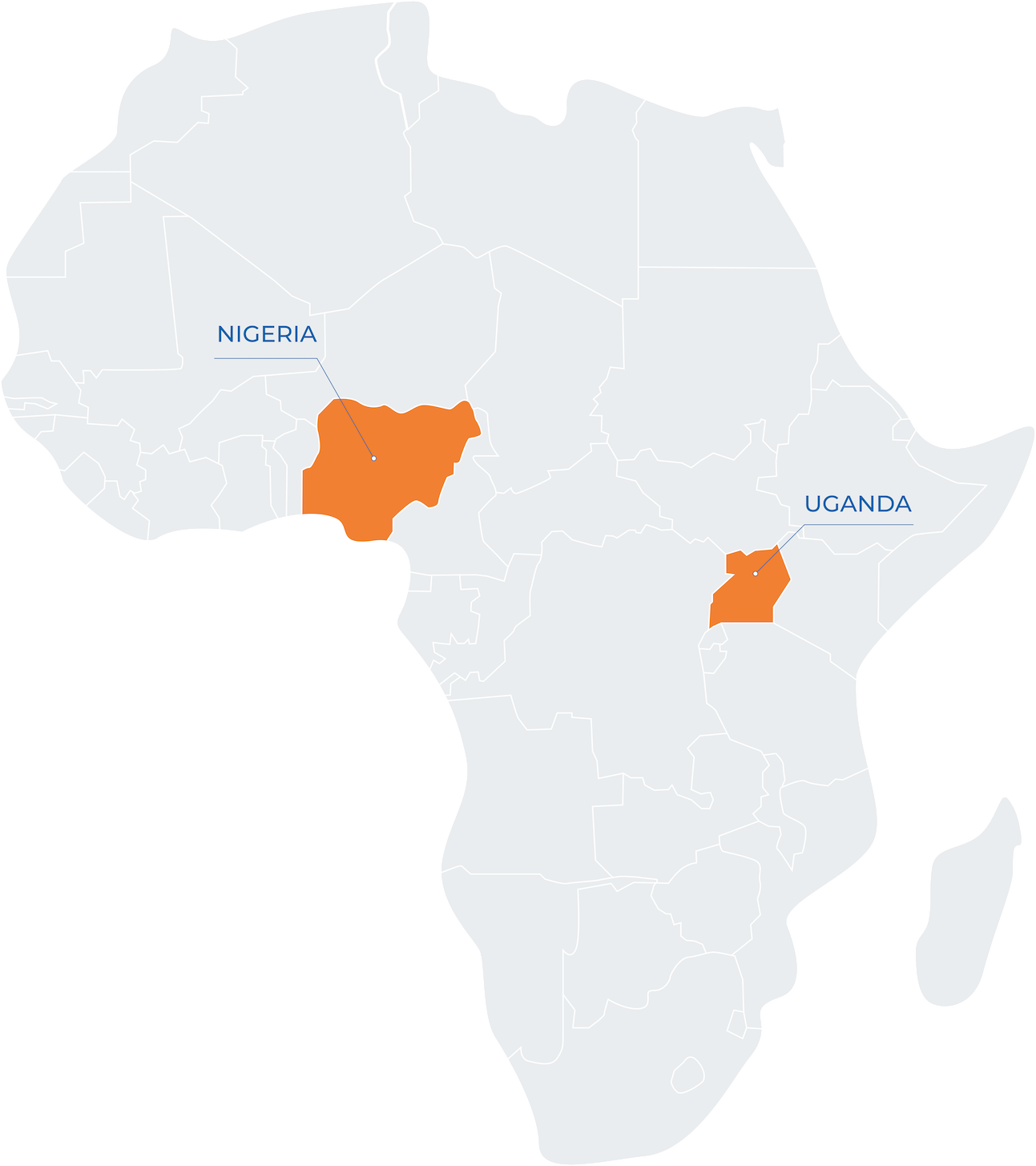
UGANDA
NIGERIA
Year of Launch:
Cookstoves Distributed:
Lives Impacted:
2007
970,000+
4,365,000+
2021
290,000+

1,450,000+
WHY FOCUS ON
ENERGY-EFFICIENT
COOKING?
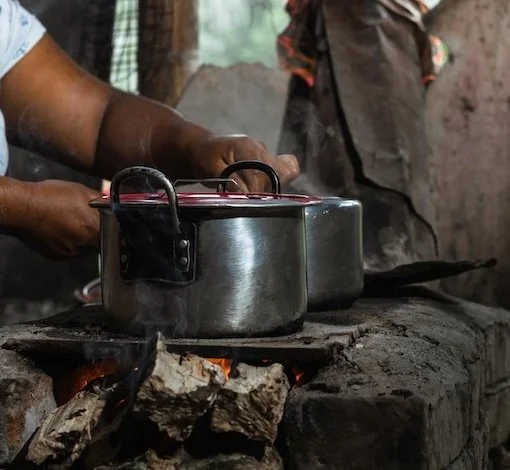
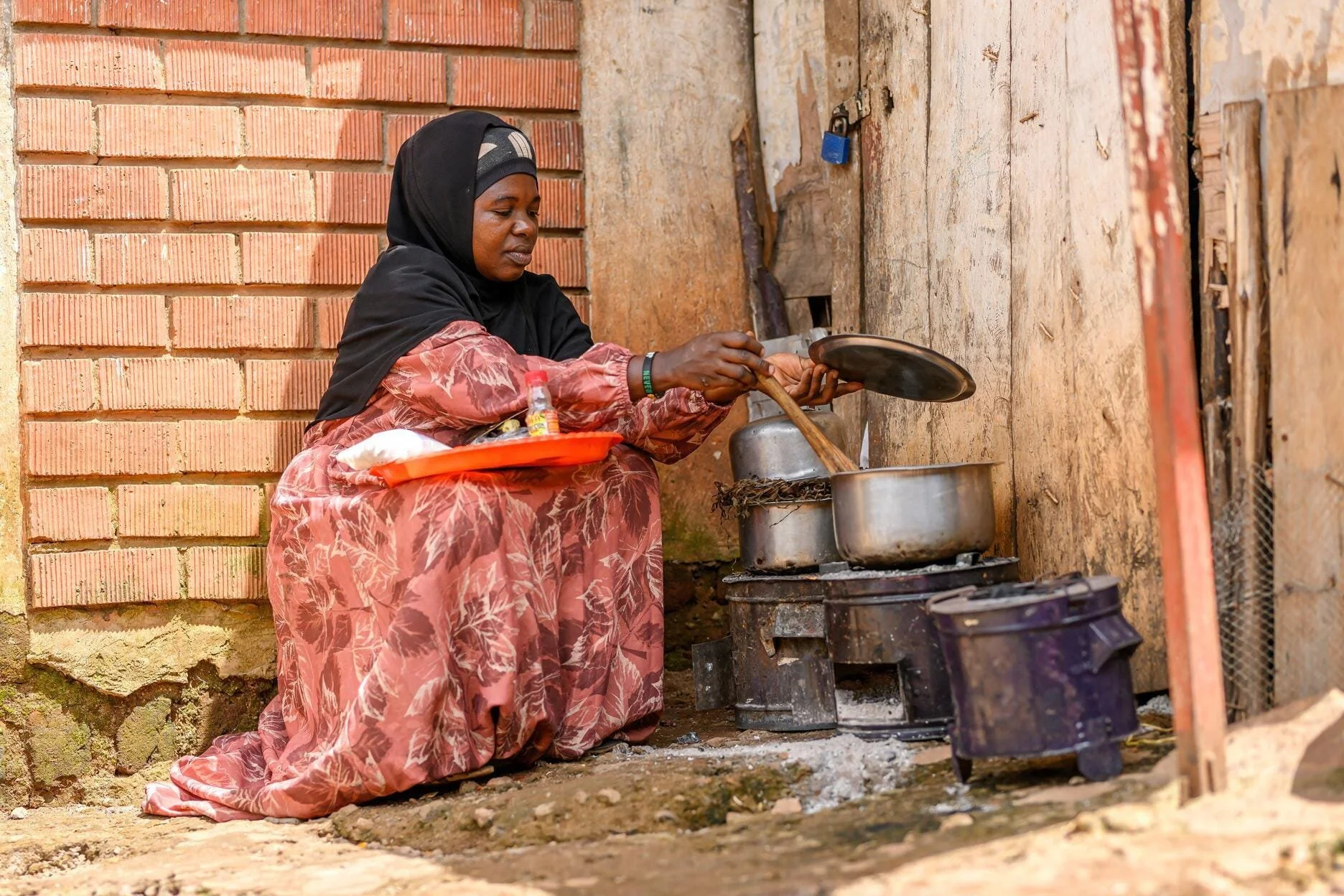
Millions of families across Africa still cook with traditional wood and charcoal stoves, and other inefficient cooking technologies.
Access to truly clean alternatives such as electricity, LPG, or other modern fuels remains limited or unaffordable for many households.

Household Costs And Time
In many parts of Sub-Saharan Africa, households spend a significant share of income on cooking fuel, in some cases up to 15% of household income, or many hours each week collecting wood.

Health Impacts
Cooking with wood, charcoal, and other solid fuels can generate harmful household air pollution, especially when used in inefficient stoves or poorly ventilated settings. More efficient stove designs can reduce fuel use and lower exposure to smoke and carbon monoxide compared with traditional charcoal stoves, while also cutting household fuel costs.

Environmental Pressure
Demand for charcoal and fuelwood contributes to forest degradation and avoidable carbon emissions. Traditional cooking with solid fuels accounts for around 2% of global greenhouse gas emissions.

VERIFIED. CERTIFIED. INDEPENDENTLY ASSESSED.
Impact Carbon’s emission reductions are certified under Gold Standard and carry the CCP (Core Carbon Principles) label issued by the Integrity Council for Voluntary Carbon Markets.
Our Nigeria project is structured to deliver corresponding adjustments and CORSIA-eligible credits. Our Uganda project is currently under review with the Ministry of Water and Environment (MoWE), with an aim to obtain a Letter of Approval (LoA).
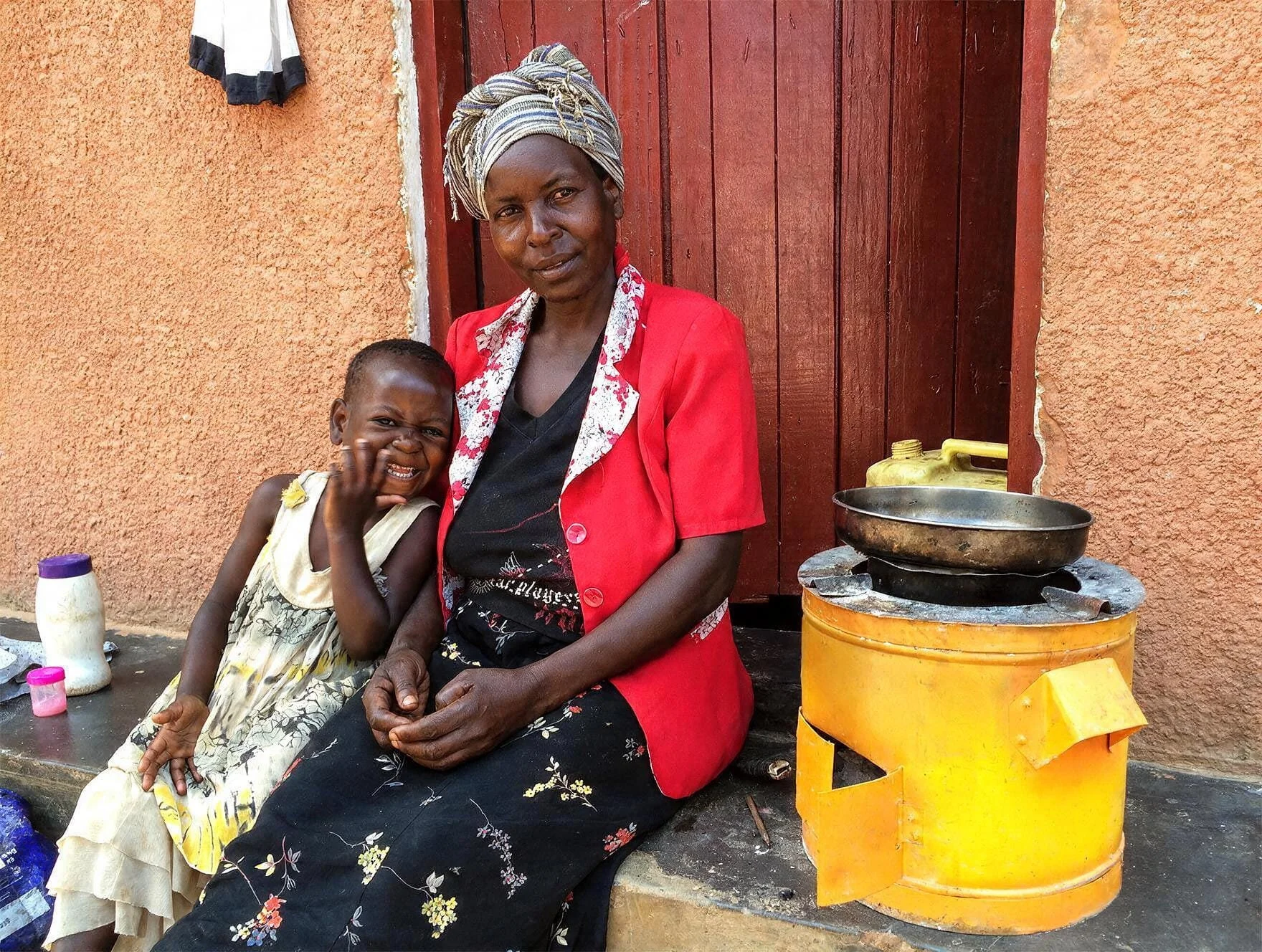
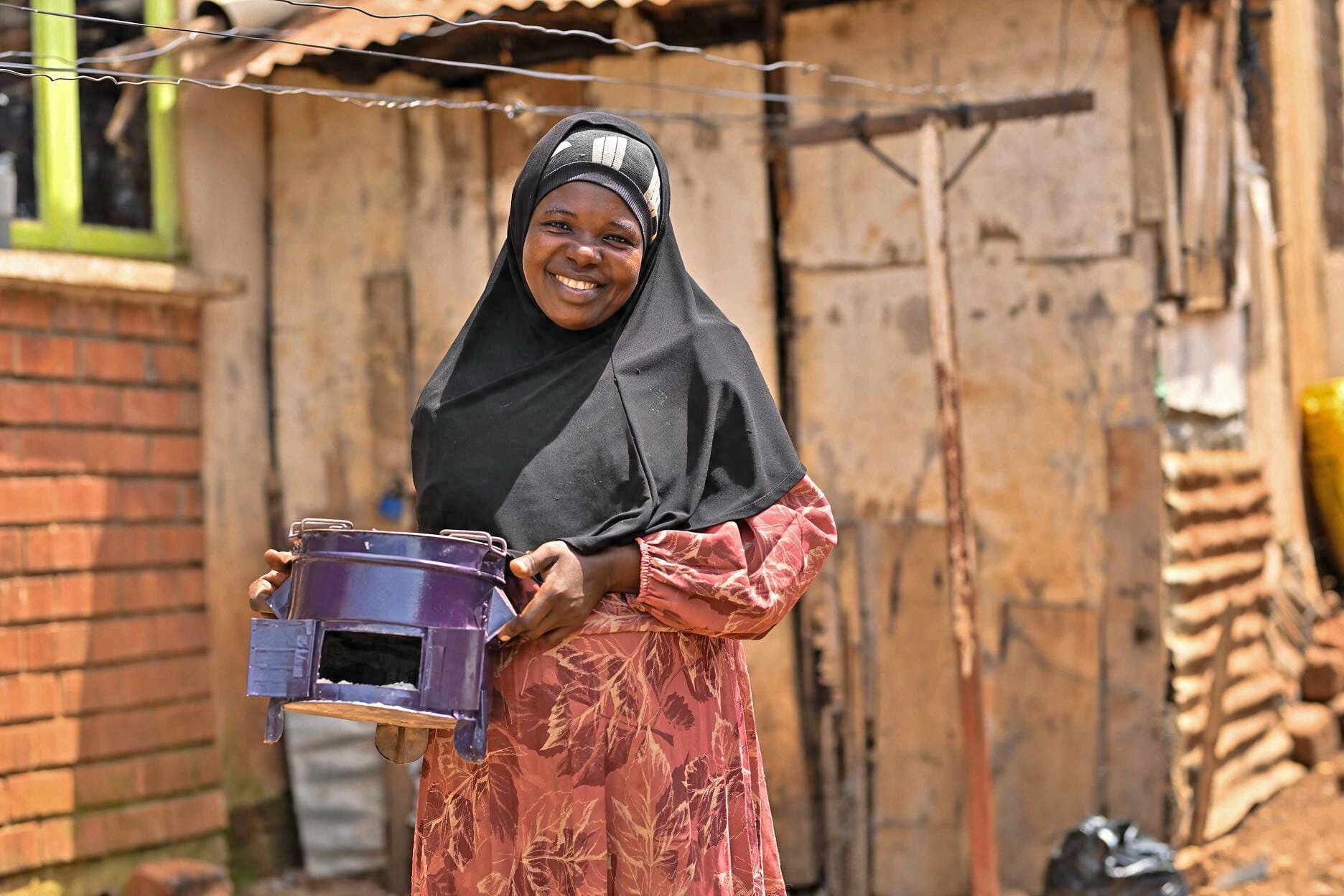
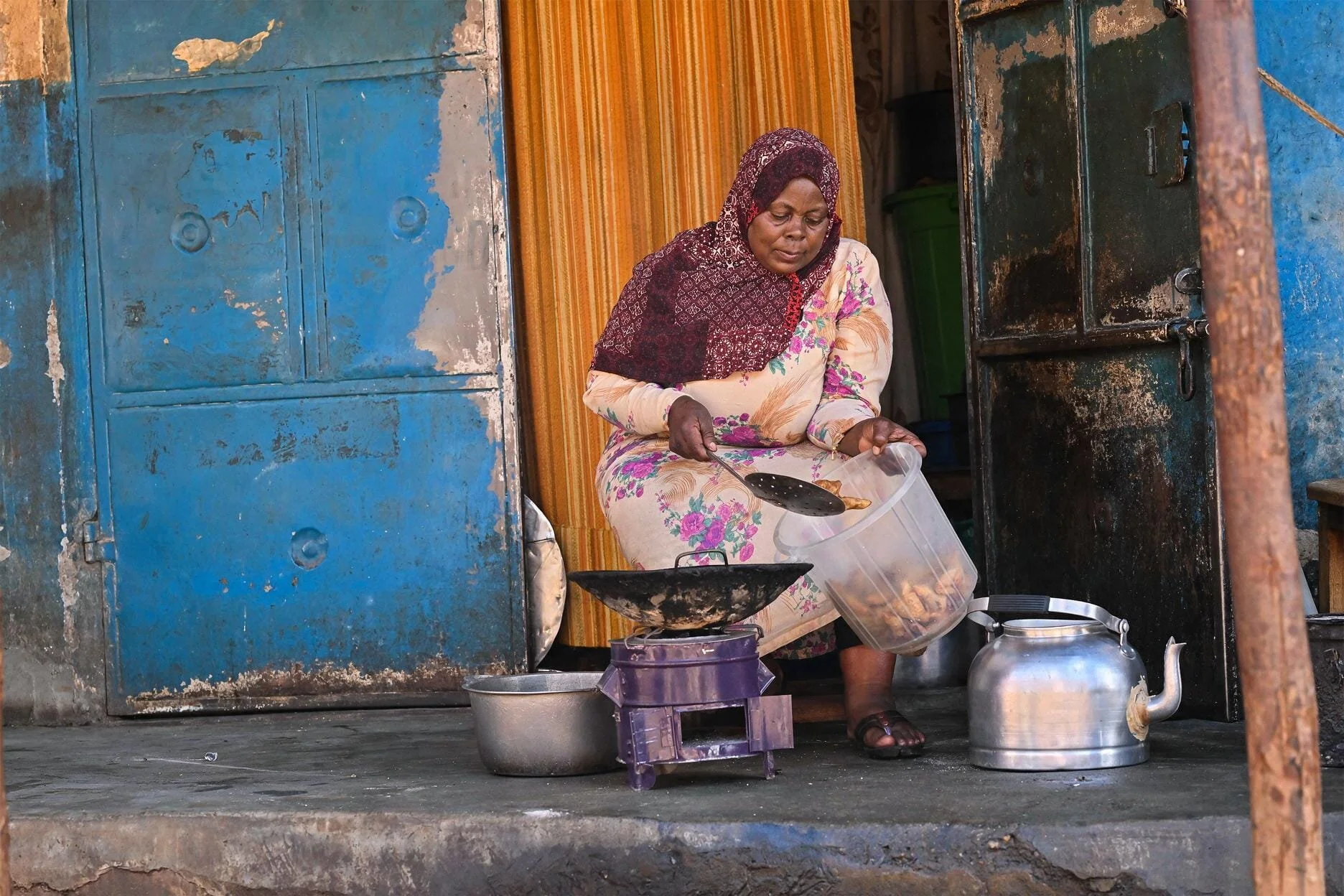
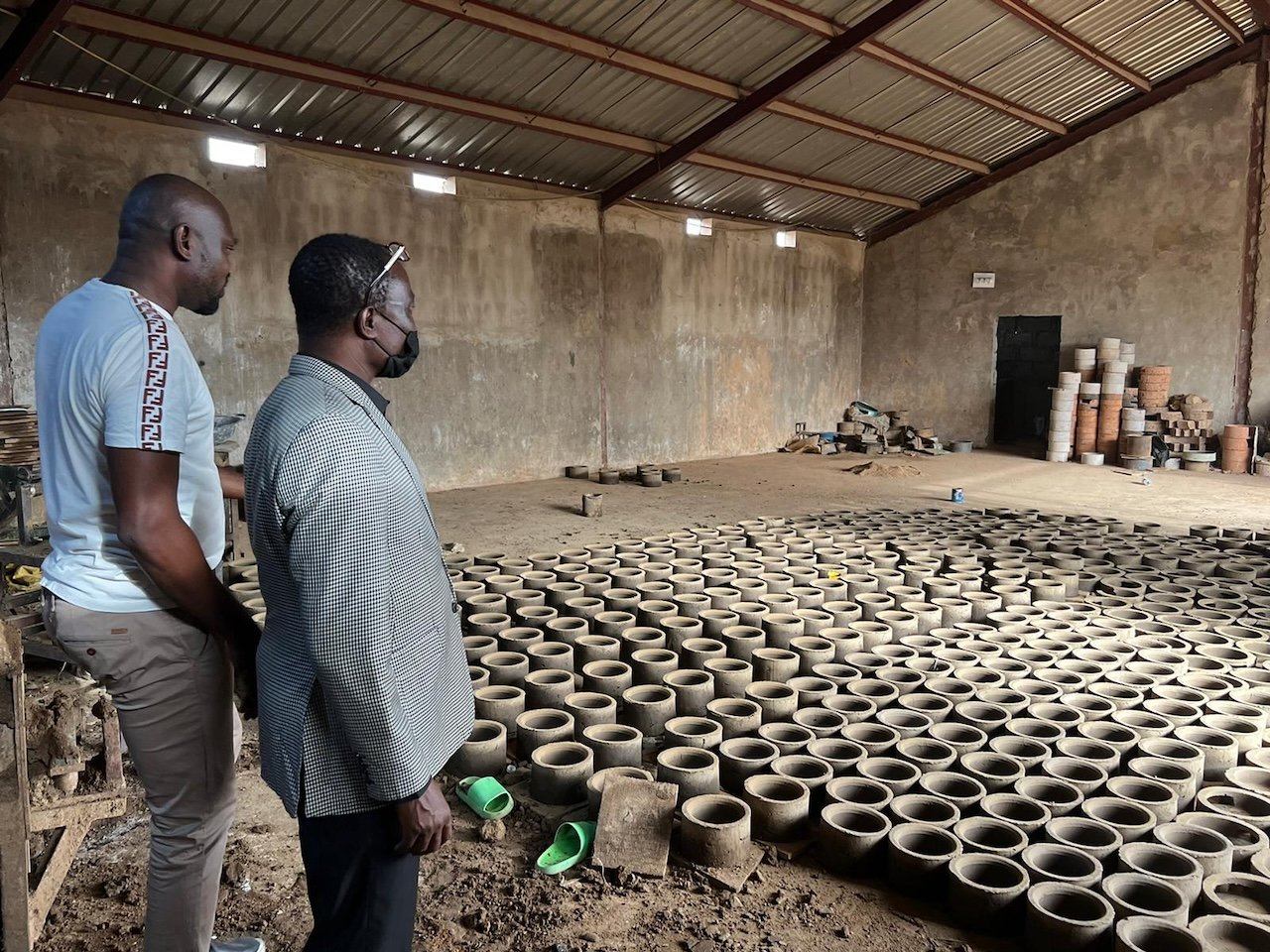
SEE IT IN ACTION
PARTNER WITH IMPACT CARBON
Whether you are a carbon credit buyer, sustainability lead, or institutional partner, we welcome the opportunity to discuss collaboration.