-
MAKE AN IMPACT
on climate change and poverty
-
MAKE AN IMPACT
on climate change and poverty
-
MAKE AN IMPACT
on climate change and poverty
-
MAKE AN IMPACT
on climate change and poverty
Our mission
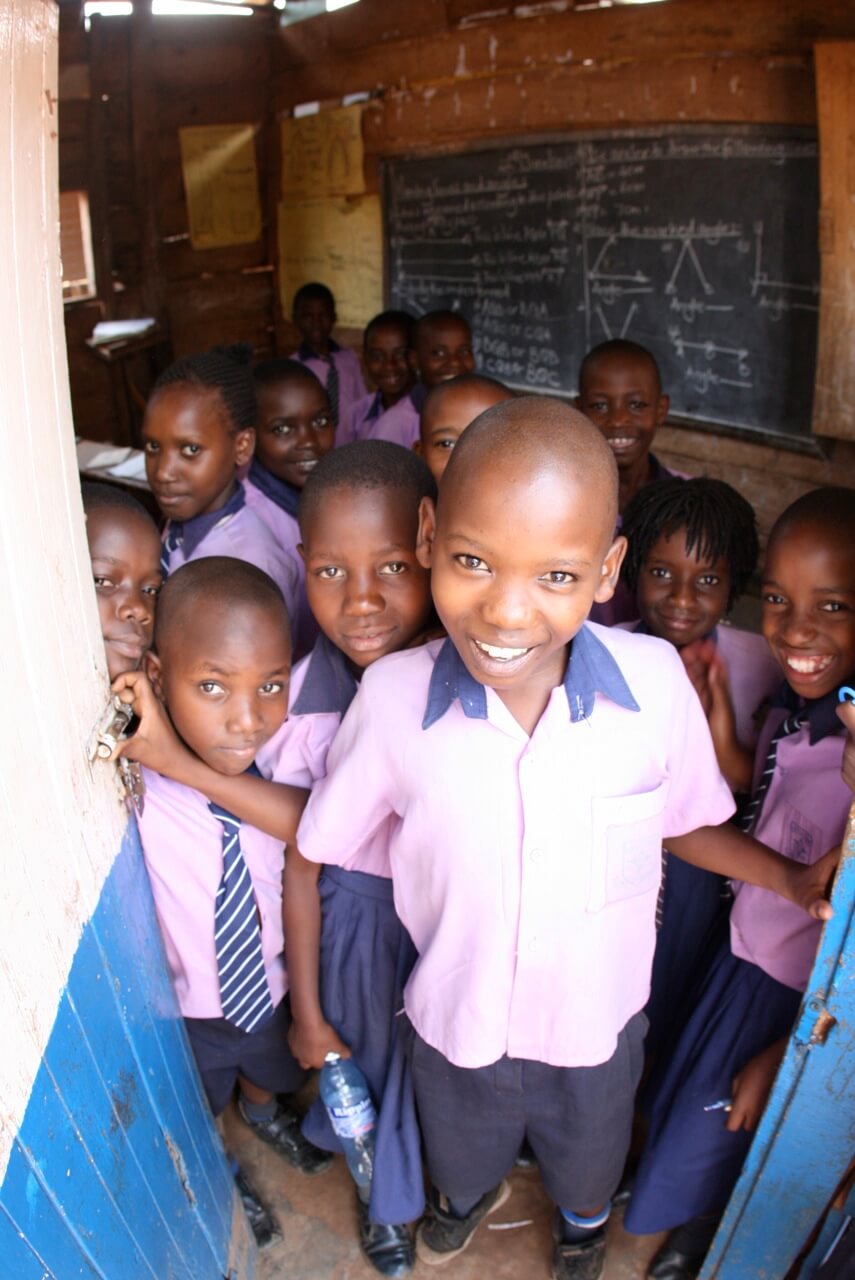
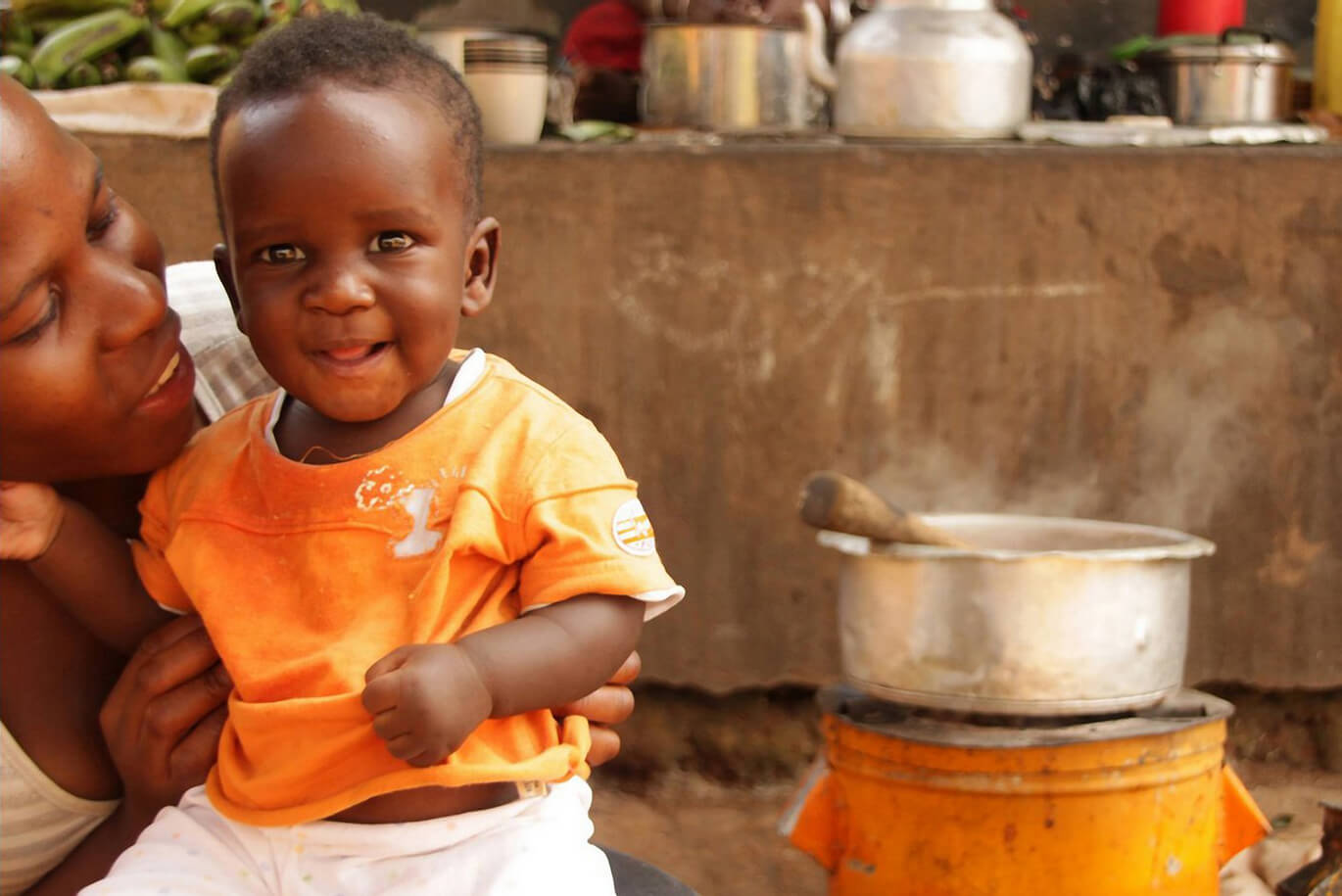
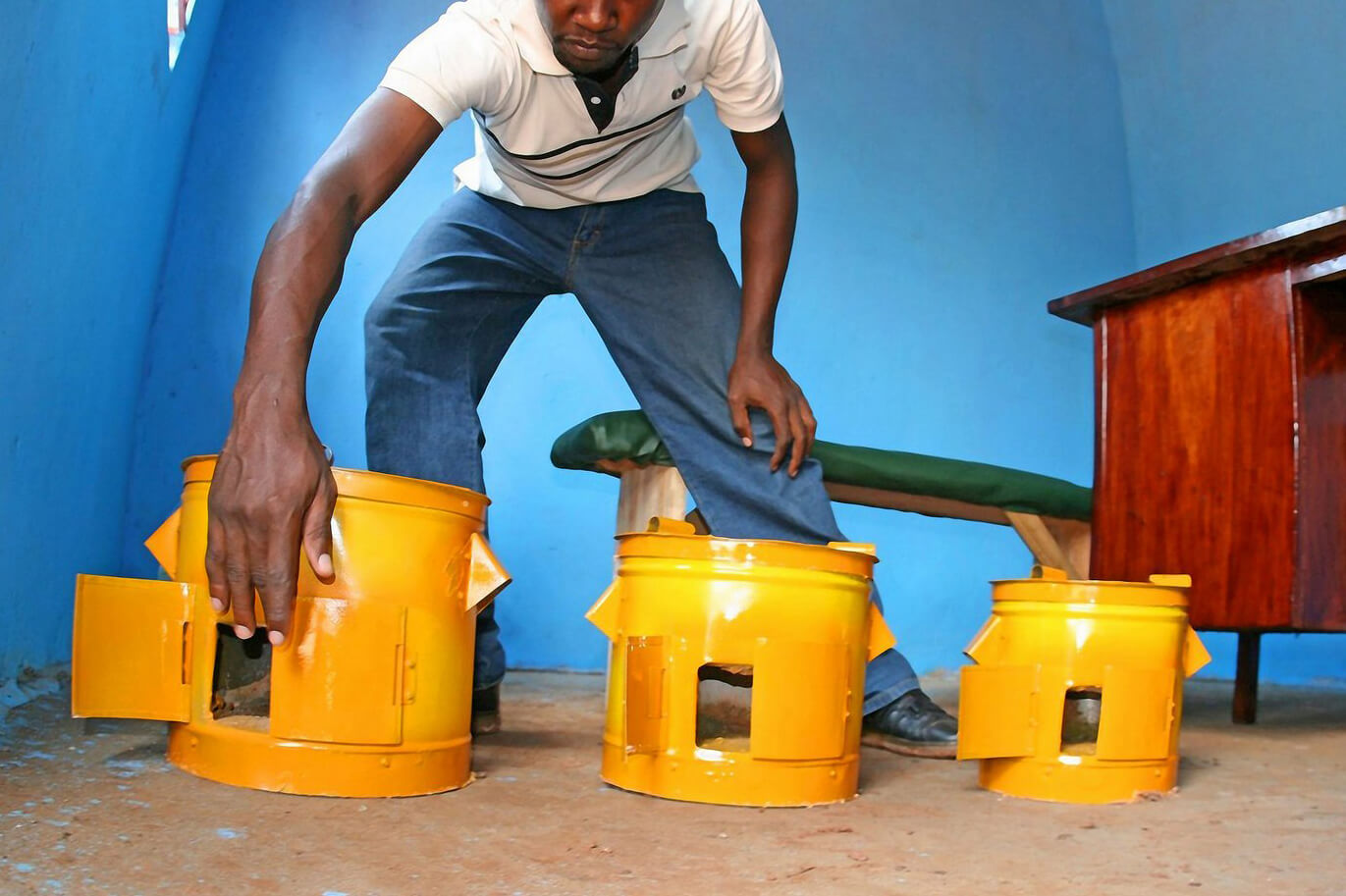
Impact Carbon's work reduces poverty and improves local environments while slowing climate change. We build and support projects that help people access energy efficient cookstoves. We leverage carbon finance and social finance to bring these projects to scale.

Our projects
Cookstoves in Uganda
A certified Gold StandardTM project
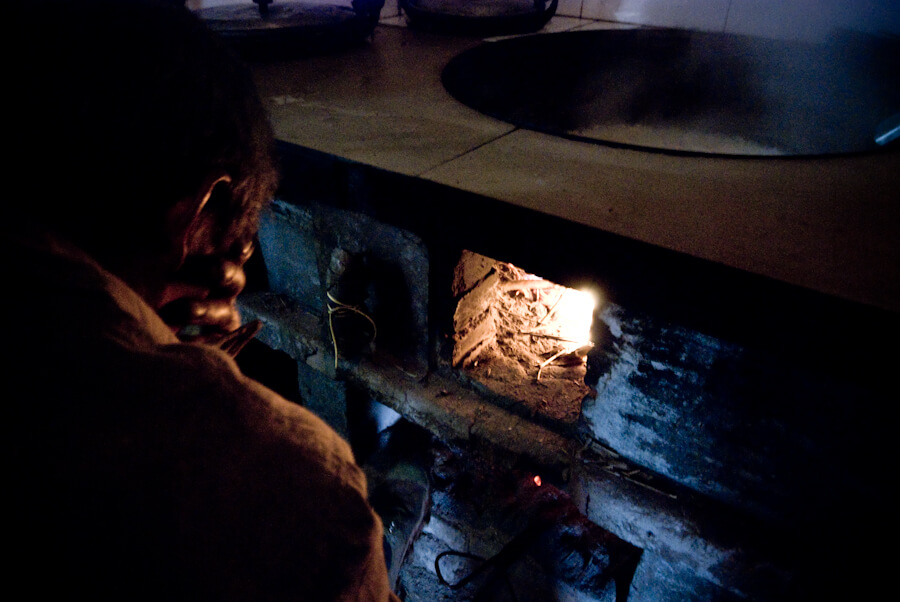
Fuel switch in China
A certified Gold StandardTM project
Make an
Impact Today
You can make a positive impact on climate change and poverty by offsetting your carbon footprint with Gold StandardTM Premium Carbon Credits from our projects.
Enquire about purchasing Gold StandardTM
Premium Carbon Credits from our projects
contact us
Carbon Sales
Call: +1 (415) 968-9087
Email: info@impactcarbon.org


Get in touch
Carbon Sales
Call: +1 (415) 968-9087
Email: info@impactcarbon.org
Impact Carbon Head Office
15 Red Rock Way, Unit N-306, San Francisco CA 94131 USA
Call: +1 (415) 968-9087 Email: info@impactcarbon.org
Impact Carbon Uganda Office
Ark House, Plot 52 Kanjokya Street, P.O. Box 24480, Kampala, Uganda
Email: info@impactcarbon.org